Understanding Fleet Management Software & Costs in Malaysia (2026)
October 26, 2026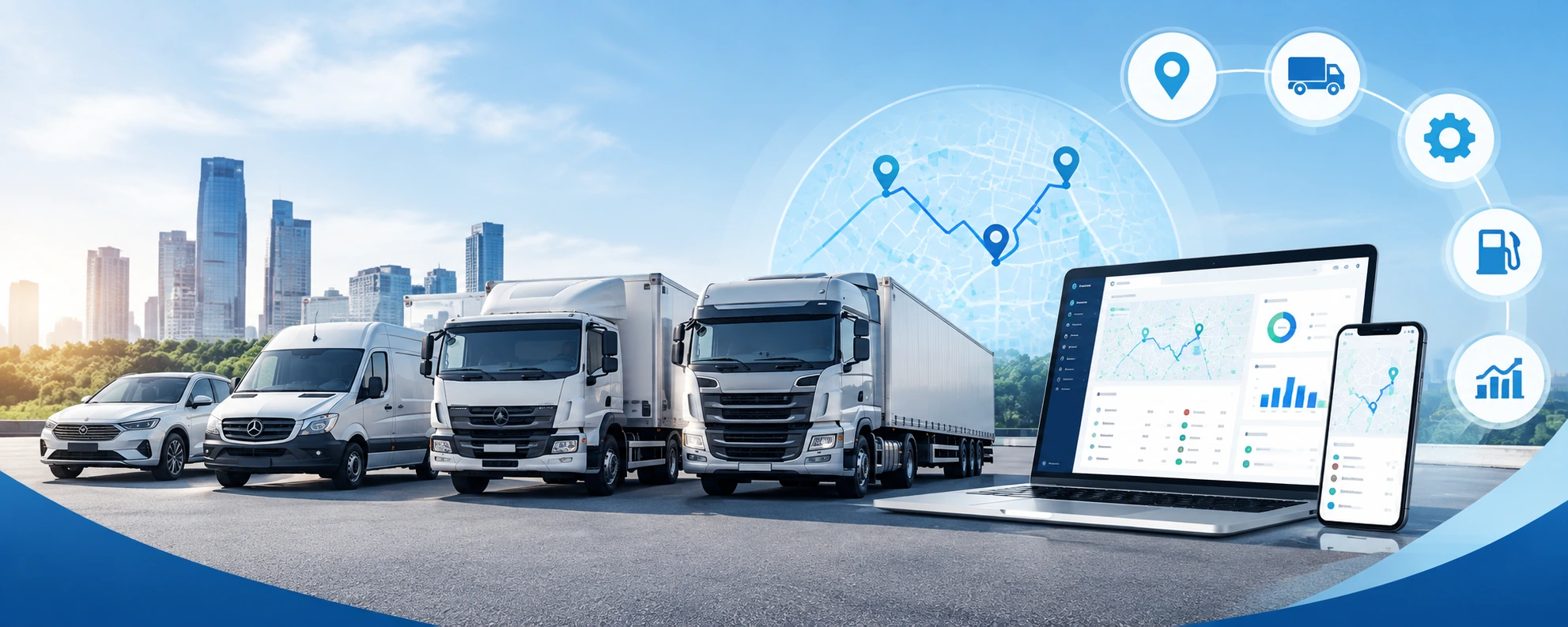
Managing a fleet of vehicles is more than just keeping track of where each vehicle is. Businesses also need to manage fuel use, driver behavior, vehicle maintenance, delivery schedules and day-to-day operating expenses. As fleets scale, managing these tasks manually becomes increasingly difficult.
Fleet management software provides Malaysian businesses in logistics, transportation, construction, distribution and field services with a more systematic way of tracking vehicles and controlling operational costs. But investing in a fleet management system is more than buying GPS tracking devices. Businesses need to factor in software subscriptions, hardware installation, connectivity, maintenance, additional features and ongoing support.
This guide explains how fleet management software works, what influences its price in Malaysia and how businesses can decide if the investment brings any real operational value.
1. What Is Fleet Management Software?
Fleet management software is a digital platform that allows businesses to manage and track their commercial vehicles through a centralized system. Fleet managers can see vehicle information in one place, instead of having to check separate spreadsheets, manual vehicle records, and make phone calls to drivers.
Depending on the system and installed hardware, fleet management software can provide:
• Real-time GPS vehicle tracking.
• Driver behaviour monitoring.
• Fuel consumption monitoring.
• Vehicle maintenance scheduling.
• Route and trip history.
• Geofencing and vehicle movement alerts.
• Fleet performance reports.
• Video telematics and dashcam integration.
For Malaysian companies that have vehicles operating from different branches, warehouses, construction sites or delivery points, having fleet information centralized can improve operational visibility and decision-making.
2. Why Malaysian Businesses Are Investing in Fleet Management Software
Fleet operating expenses may come from many sources. Fuel consumption, vehicle repairs, inefficient routes, excessive idling and unplanned downtime all have the potential to affect business profitability. These challenges can become more difficult to manage when vehicles cross state lines or make multiple deliveries. Here are some common operational challenges fleet management software can help solve.
Managing Fuel and Operating Expenses
Fuel is an important operating expense for businesses that depend on commercial vehicles. Without proper monitoring, fleet managers may struggle to identify excessive idling, inefficient routes, unusual fuel consumption or unnecessary vehicle usage. Fleet management software provides vehicle activity and fuel-related information that helps managers investigate unusual patterns and identify opportunities to improve efficiency.
Monitoring Vehicles Across Different Locations
Businesses operating across Kuala Lumpur, Selangor, Johor, Penang and other regions may have difficulty maintaining visibility over their entire fleet. GPS tracking allows managers to view vehicle locations, monitor movement and review trip history through a centralised platform. This is particularly useful for companies with multiple branches, distribution centres and field operations.
Improving Driver Accountability
Driver behaviour can influence fuel consumption, vehicle wear and road safety. With driver monitoring features, businesses can review driving patterns such as speeding, harsh braking, rapid acceleration and excessive idling. When integrated with AI dashcams, compatible systems can also provide visual information about selected driving events and potential safety risks.
Reducing Unplanned Vehicle Downtime
Unexpected vehicle breakdowns can interrupt deliveries, delay services and increase maintenance expenses. Fleet management software can help businesses monitor mileage, schedule servicing and receive maintenance reminders. This allows fleet managers to plan vehicle maintenance more systematically instead of relying entirely on manual reminders.
3. How Much Does Fleet Management Software Cost in Malaysia?
There is no fixed price for fleet management software in Malaysia. The overall investment will depend on the size of the fleet, hardware requirements, software features, installation complexity and the level of support provided. Some providers offer subscription based packages, while some may offer customized solutions on the basis of individual business requirements. Familiarize yourself with the major cost components before comparing quotations.
A. GPS Tracking Hardware
GPS tracking hardware is installed in vehicles to collect location and movement information. The type of device required depends on the level of monitoring needed.
For example:
• Basic GPS trackers provide vehicle location and trip information.
• Advanced telematics devices can collect additional vehicle performance information, depending on compatibility.
• AI-enabled dashcams provide video footage and selected driver safety monitoring capabilities.
Businesses should check whether hardware is included in the software package or charged separately.
B. Software Subscription Fees
Fleet management software may operate through monthly or annual subscriptions.
Subscription costs can depend on:
• Number of vehicles connected.
• Number of users and management accounts.
• Available tracking and reporting features.
• Data storage requirements.
• Additional modules and integrations.
• Technical support arrangements.
A business managing a small fleet may require only basic GPS tracking, while a larger transportation company may need advanced reporting, driver monitoring, and multi-branch management.
C. Installation Costs
Installation requirements vary depending on vehicle type and hardware configuration. For example, installing a GPS tracking device in a standard commercial vehicle may involve different requirements from installing multiple cameras or additional sensors in a heavy vehicle. When requesting a quotation, clarify whether installation is included and whether additional charges apply for different vehicle models or specialised equipment.
D. Dashcam and AI Video Telematics
Businesses that want greater visibility into driver safety may consider integrating dashcams or AI-powered video telematics.
Depending on the selected configuration, additional costs may include:
• Camera hardware.
• Installation and wiring.
• Video storage.
• Mobile data transmission.
• AI video analytics features.
Not every fleet requires advanced video monitoring. Businesses should select these features based on their safety requirements, vehicle operations and available budget.
E. Connectivity and Data Usage
GPS tracking devices generally require connectivity to transmit vehicle information to the fleet management platform. The connectivity arrangement may be included in the subscription or charged separately. For businesses operating across multiple regions, it is worth checking the provider’s network coverage, data arrangements and how the system handles temporary connectivity interruptions.
F. Maintenance and Technical Support
Ongoing costs may also include device replacement, hardware maintenance, software upgrades, technical support and user training. These expenses should be considered when calculating the long-term cost of ownership rather than focusing only on the initial purchase price.
4. Understanding the Total Cost of Ownership (TCO)
One common mistake when purchasing fleet management software is comparing providers based only on their monthly subscription fees. A lower subscription price does not necessarily mean a lower overall investment. Businesses should evaluate the Total Cost of Ownership (TCO), which considers the expenses involved throughout the system’s usage period.
A simple TCO framework includes:
Total Fleet Management Cost =
• Initial hardware investment.
• Installation expenses.
• Software subscription fees.
• Connectivity and data charges.
• Additional modules and integrations.
• Maintenance and technical support.
• Hardware replacement costs.
For a more accurate comparison, businesses can calculate the estimated cost per vehicle.
Cost Per Vehicle = Total Fleet Management Expenses ÷ Number of Vehicles
For example, a company operating 50 vehicles should evaluate the overall investment across all 50 units rather than looking at the subscription fee of a single vehicle.
This approach makes it easier to compare quotations from different providers and understand the actual financial commitment.
5. How Fleet Management Software Helps Reduce Business Costs
Although fleet management software requires an initial investment, the right system can help businesses identify operational inefficiencies and improve resource utilisation. Here are several ways it can contribute to cost management.
Better Fuel Consumption Monitoring
Managers can review fuel-related information, identify excessive idling and investigate unusual vehicle usage. This creates opportunities to improve driving practices and reduce unnecessary fuel consumption.
Improved Route Planning
GPS tracking and trip history help fleet managers understand how vehicles travel between destinations. By reviewing actual travel patterns, businesses can identify inefficient routes, unnecessary detours and recurring delays.
Reduced Vehicle Maintenance Expenses
Maintenance reminders and vehicle activity records help businesses organise servicing schedules. Regular maintenance planning can help reduce avoidable breakdowns and the operational disruption associated with vehicle downtime.
Better Vehicle Utilisation
A centralised dashboard allows managers to understand which vehicles are active, inactive or underutilised. This information can support better vehicle allocation and reduce the need to add vehicles when existing fleet resources are not being used effectively.
Improved Driver Safety
Driver monitoring and AI dashcam technology can help identify risky driving patterns and provide useful information for driver coaching. Over time, better driving practices may contribute to lower vehicle wear, fewer preventable incidents and improved fleet safety.
6. How to Calculate the ROI of a Fleet Management System
Return on Investment (ROI) helps businesses evaluate whether the financial benefits of implementing fleet management software justify the investment. Rather than measuring ROI through fuel savings alone, businesses should consider improvements across multiple operational areas.
These may include:
• Reduced unnecessary fuel consumption.
• Lower maintenance expenses.
• Reduced vehicle downtime.
• Improved vehicle utilisation.
• Fewer preventable driving incidents.
• Reduced administrative workload.
A basic ROI formula is:
ROI (%) = (Net Financial Benefits ÷ Total Investment) × 100
For example, if a business identifies measurable savings from fuel management, maintenance planning and improved vehicle utilisation, these benefits can be compared against the total cost of implementing the system.
The actual ROI will depend on the company’s fleet size, operating conditions, existing expenses, and how effectively the system is used. Businesses should establish baseline operating costs before implementation so that improvements can be measured accurately.
7. Choosing the Right Fleet Management Software for Your Business
Not every fleet requires the same technology. A logistics company managing daily deliveries may have different requirements from a construction business operating heavy vehicles across multiple project sites. Before selecting a provider, consider the following factors.
Fleet Size and Scalability
Choose a system that supports your current fleet size and can accommodate future expansion. Consider whether the platform allows vehicles to be grouped by branch, department, region or operational function.
GPS Tracking Accuracy
Look for reliable vehicle location monitoring, trip history, geofencing and real-time movement updates. These features are particularly useful for businesses managing vehicles across different locations.
Driver Monitoring Capabilities
Evaluate whether the system can monitor speeding, harsh breaking, acceleration and other driving behaviours. If driver safety is a priority, consider whether AI dashcam integration is available.
Reporting and Analytics
A useful fleet management platform should turn collected vehicle data into understandable reports. Look for information covering mileage, fuel consumption, vehicle utilisation, driver behaviour and maintenance activities.
Mobile Accessibility
Fleet managers may not always be stationed in the office. Mobile access allows authorised users to review vehicle information, receive alerts and monitor operations through supported smartphones or tablets.
Integration and Customisation
Check whether the software can integrate with existing business systems or accommodate specific operational requirements. This is particularly important for companies with established logistics, maintenance or enterprise management workflows.
Local Technical Support
For Malaysian businesses, local technical support and installation arrangements are worth considering. Ask providers about installation coverage, response times, training and hardware replacement procedures.
8. Fleet Management Requirements Across Different Malaysian Industries
The operational needs of a fleet depend heavily on the industry it serves. Here are some examples of how different Malaysian businesses can use fleet management software.
Logistics and Transportation
Logistics companies can monitor vehicle locations, delivery routes, driver activities and trip history. This helps improve delivery coordination and provides better visibility over vehicles travelling between warehouses, distribution centres and customer locations.
Construction
Construction companies often operate vehicles and equipment across multiple project sites. Fleet tracking helps managers monitor vehicle movement, review site visits and improve the coordination of vehicles supporting construction activities.
Food and Beverage Distribution
Businesses delivering food and beverages must coordinate delivery schedules while maintaining reliable transportation operations. GPS tracking and route monitoring help managers review delivery progress and identify delays.
Cold Chain Logistics
Cold chain operators transport temperature-sensitive products that require specific handling conditions. Fleet management software can support vehicle tracking and, when integrated with compatible temperature sensors, provide additional visibility into transportation conditions.
Field Services and Facilities Management
Companies providing maintenance, cleaning, engineering and other on-site services can monitor service vehicles and improve coordination between mobile teams and customer locations.
9. Questions to Ask Before Purchasing Fleet Management Software
Before signing a contract, businesses should clarify the following points with their shortlisted providers:
1. Is the GPS tracking hardware included in the package?
2. Are installation fees charged separately?
3. Is the software subscription billed monthly or annually?
4. Are there additional charges for AI dashcams or advanced reporting?
5. Is mobile data connectivity included?
6. Can the platform support different vehicle types?
7. Can the system accommodate additional vehicles as the business grows?
8. Is technical support and user training included?
9. What happens if a tracking device becomes faulty?
10. Can the provider customise the system according to business requirements?
Getting clear answers helps businesses avoid unexpected expenses and select a system that matches their operational needs.
10. Is Fleet Management Software Worth the Investment?
Fleet management software is not simply an additional expense for businesses operating commercial vehicles. It is an investment in better operational visibility, cost management and fleet productivity. Malaysian companies dealing with rising operating expenses, multiple vehicle locations and increasingly complex transportation requirements, having access to reliable fleet information can support better business decisions.
The key is to choose a system that addresses actual operational challenges instead of paying for features that the business does not need. By evaluating the total cost of ownership, identifying potential savings and measuring operational improvements, businesses can make a more informed decision about their fleet management investment.
Explore V3Nity Fleet Management Solutions
V3 Smart Technologies provides the V3Nity Fleet Management System to help businesses gain better visibility and control over their fleet operations with capabilities covering GPS vehicle tracking, driver behaviour monitoring, fuel management, vehicle maintenance, reporting and AI-enabled safety monitoring, V3Nity helps businesses manage fleet activities through a centralised platform.
Whether you operate a logistics fleet, construction vehicles, distribution vehicles or field service teams, the right fleet management configuration can help improve operational visibility and support more efficient fleet management.
Looking to understand the cost of implementing a fleet management system for your business?
Contact V3 Smart Technologies to discuss your fleet size, operational requirements and the features suitable for your business.
Request a Fleet Management System Consultation
Frequently Asked Questions (FAQ)
1. How much does fleet management software cost in Malaysia?
The cost depends on fleet size, GPS hardware, software subscriptions, installation, connectivity and additional features. Businesses should request quotations based on their specific vehicle count and operational requirements.
2. Is fleet management software suitable for small businesses?
Yes. Small businesses operating delivery vehicles, service vans or commercial vehicles can benefit from GPS tracking, trip history and vehicle monitoring. They can begin with essential features and expand as their fleet grows.
3. What is the difference between GPS tracking and fleet management software?
GPS tracking primarily focuses on vehicle location and movement. Fleet management software offers broader operational capabilities, which may include driver monitoring, fuel management, vehicle maintenance, reporting and route optimisation.
4. Does fleet management software require monthly payments?
Many providers offer monthly or annual subscription arrangements. However, pricing structures differ, and some providers may charge separately for hardware, installation, connectivity and additional services.
5. Can fleet management software monitor driver’s behaviour?
Yes. Depending on the installed hardware and software capabilities, fleet management systems can monitor driving patterns such as speeding, harsh braking, rapid acceleration and excessive idling. AI-enabled dashcams may provide additional video-based driver safety insights.
6. Can fleet management software track vehicles across different states in Malaysia?
Yes. GPS-based systems can provide vehicle location monitoring across supported network coverage areas. Businesses should confirm the provider’s connectivity arrangements and coverage for their operating locations.
7. How can businesses calculate the ROI of fleet management software?
Businesses can compare the system’s total investment against measurable operational improvements, including fuel savings, reduced maintenance expenses, lower downtime and improved vehicle utilisation. Establishing baseline costs before implementation helps make ROI assessments more meaningful.